
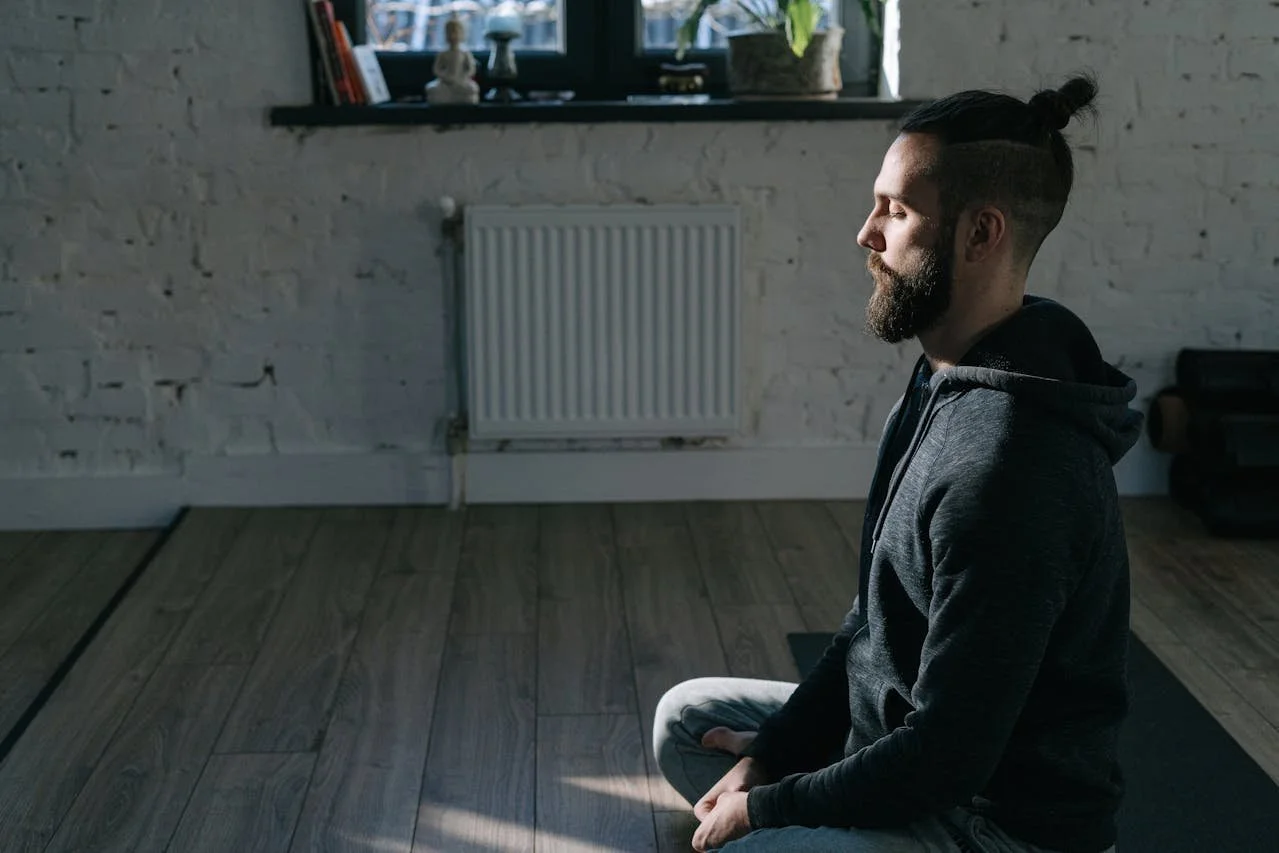
Deep breathing and guided imagery can be powerful tools to make you feel more present and give you clarity.
Overwhelm rarely announces itself politely. It tends to creep in during busy weeks, emotional conversations, or moments when you’re already running low on energy. One minute you’re coping fine, and the next you feel restless, irritable, or pulled toward habits you’ve been trying to keep in check. Urges, whether they’re emotional, behavioral, or tied to old coping mechanisms, often show up at the same time, feeding off that sense of internal pressure. Finding inner calm isn’t about shutting those feelings down or pretending they aren’t there. It’s about learning how to create enough space inside yourself to respond differently. When the nervous system settles, urges lose some of their urgency and overwhelm becomes more manageable. Inner calm techniques listed below aren’t quick fixes, but they are practical tools you can return to again and again.
Understanding What’s Really Happening When You Feel Overwhelmed
When stress builds, the body goes into protection mode. Your heart rate increases, breathing becomes shallow, and your mind starts scanning for relief, anything that promises comfort, distraction, or control. This is why urges can feel so intense during stressful periods. They’re not a personal failure; they’re a nervous system response. Recognizing this can be quietly relieving. Instead of asking, “What’s wrong with me?” you can start asking, “What does my body need right now?” Often, the answer is not willpower, but regulation.
Start With the Body: Simple Techniques That Ground You
Before tackling thoughts or emotions, it helps to work from the body up. Physical grounding techniques are especially useful when overwhelm feels immediate. For starters, controlled breathing is one of the most accessible tools. Slowing the breath, particularly lengthening the exhale by deliberately making it longer than the inhale, signals safety to the nervous system. You can count this out or just sense the difference. You can also make the exhale audible, if that feels calming to you. Do this for a few minutes and notice how your shoulders drop or your jaw softens.
Grounding exercises can also help find clarity when urges feel urgent. Press your feet firmly into the floor. Name five things you can see, four you can feel, three you can hear, two you can smell, and one you can taste. These small actions anchor you in the present moment, pulling attention away from spiraling thoughts. Guided imagery is another option. Visualizing a place where you feel steady, real or imagined, can give your mind somewhere else to rest while your body settles.
Mindfulness as a Way to Create Space
Once the body begins to calm, mindfulness becomes more accessible. This doesn’t mean forcing your mind to go blank. It means noticing what’s happening without immediately reacting to it. You might observe an urge as a physical sensation: tightness in the chest, restlessness in the hands, a buzzing feeling under the skin. Instead of arguing with it or giving in, you simply notice it. Often, urges rise, peak, and fall much like a wave if you don’t fight or fuel them.
For many people, developing this skill takes practice and support. Meditation can be a powerful aid on your journey, especially when overwhelm and cravings feel repetitive or deeply ingrained. A regular mindfulness or meditation practice helps train attention, making it easier to pause before reacting. If you’re looking to deepen this approach, guided meditation resources can complement the inner calm techniques above by offering structure, consistency, and gentle guidance as you build your own inner steadiness.
Reducing Mental Overload Through Small, Intentional Choices
Overwhelm often comes from mental clutter rather than one big problem. Too many decisions, expectations, and unprocessed emotions stack up quietly. Writing things down can help more than people expect. A simple brain dump, without structure or judgment, clears mental space. You don’t have to solve everything; just getting thoughts out of your head and onto paper can reduce internal pressure. Setting softer expectations also matters. When you’re overwhelmed, aiming for “good enough” instead of perfect can prevent the cycle of stress and self-criticism that fuels urges.
Learning to Sit With Discomfort (Without Being Consumed by It)
One of the hardest parts of managing urges is learning to tolerate discomfort. Modern life encourages instant relief, so even mild emotional discomfort can feel unbearable. But discomfort itself isn’t dangerous; it’s just unfamiliar.
A helpful approach is to rate what you’re feeling. On a scale from one to ten, how intense is the urge or overwhelm right now? Most people are surprised to realize it’s not as high as it feels. This creates distance between you and the sensation. You can also set short “waiting periods.” Tell yourself you’ll check back in with the urge in ten minutes. During that time, engage in something neutral like stretching, showering, or stepping outside. Often, the intensity shifts enough that the urge no longer feels in control.
Using Routine as a Stabilizing Force
Inner calm doesn’t only come from what you do in moments of crisis; it’s also shaped by daily rhythms. Consistent sleep, regular meals, and predictable routines tell the nervous system that life is manageable. This doesn’t mean rigid schedules. Even small anchors, morning coffee in silence, a short evening walk, and a few minutes of stretching before bed, create a sense of continuity. When your baseline is steadier, overwhelm has less room to take over.
When Emotions Are the Trigger
Sometimes, urges are less about stress and more about unprocessed emotions. Anger, sadness, loneliness, or boredom can all drive reactive behavior. Naming the emotion underneath the urge can be surprisingly effective. Instead of saying, “I want to escape this feeling,” try, “I’m feeling lonely right now,” or “I’m frustrated and tired.” This simple shift reduces emotional intensity and makes it easier to choose a supportive response. Talking to someone you trust, journaling honestly, or even allowing yourself to feel the emotion without fixing it can reduce the urge to numb or distract.
Progress Looks Quieter Than You Expect
Inner calm techniques aren’t about never struggling again. Instead, these techniques are about recovering more quickly, noticing patterns sooner, and responding with a bit more care each time. Over time, these small practices add up. Breathing becomes easier to access. Pauses feel more natural. Urges lose some of their power. And calm, instead of being something you chase, becomes something you slowly build from within.